How Long Does a FinCEN Whistleblower Case Usually Take?
Short answer: there is no published standard timeline for a FinCEN whistleblower case. A report may be reviewed for months before a source hears anything; an investigation can take years; and any award process generally comes later, after a qualifying enforcement action and the collection of monetary sanctions. Some reports do not lead to an enforcement action or an award at all.
That uncertainty matters when deciding whether to report, what records to preserve and how to manage the risk of retaliation. The useful question is not simply “How many months?” It is “Which stage is the case at, what deadlines apply to my position, and what can I document now?”
This article explains the likely stages and timing pressures in practical terms. It is general information, not legal advice. A whistleblower’s rights and deadlines depend on the facts, the law in force and the route used to report.
What does “a FinCEN whistleblower case” mean?
People use this phrase for two different processes. First, a person may provide information about suspected violations of the Bank Secrecy Act (BSA) to the Treasury Department, including FinCEN. That information may help prompt or support an investigation and, potentially, an enforcement action. Second, an employee who believes an employer retaliated for protected reporting may have a separate legal claim. A whistleblower submission is not the same thing as filing a lawsuit.
The National Law Review’s discussion of filing an AML/BSA whistleblower lawsuit is a useful starting point for understanding the litigation side. But a lawsuit about retaliation and a report about suspected BSA violations have different procedures, evidence and time limits. Do not assume that making one submission automatically starts, preserves or completes the other process.
What counts as a BSA violation—and what may just be a mistake?
A BSA concern is not automatically proof of a legal violation. The BSA and its implementing rules impose duties on covered financial institutions, including certain requirements for anti-money laundering programmes, record-keeping, reporting and customer due diligence. A report may concern, for example, a repeated failure to file required reports, records that were knowingly falsified, or a deliberate practice of ignoring significant red flags.
By contrast, one late filing, a coding error or a missed escalation does not, by itself, establish willful misconduct. It may be a human error, a control weakness, a training problem or part of a larger pattern. The distinction matters. A careful account identifies what happened, how often, who knew, what the applicable procedure required and whether the issue was corrected.
For example, “the bank ignored suspicious activity” is too vague to assess. A stronger factual account might identify a dated transaction, the customer or account using a non-public identifier where appropriate, the alert or case number, the escalation made, the response received and any similar later events. The facts may still have an innocent explanation; the point is to let investigators test that possibility rather than substitute a conclusion for evidence.
The Federal Financial Institutions Examination Council (FFIEC) website provides examination-related resources and materials on banking supervision and BSA/AML topics. It can help a reader understand the regulatory context, but it is not a whistleblower filing portal, a legal opinion or a substitute for the institution’s procedures and the rules applicable to a particular issue.
Investigation timeline: what usually happens?
FinCEN does not publish a guaranteed timetable for reviewing a particular whistleblower submission. A report may be referred, assessed alongside other information, or considered by more than one authority. Agencies may also be unable to confirm whether an investigation exists. Silence is therefore not reliable evidence that a report was rejected—or that an investigation is underway.
Stage What may happen Practical timing point Preparation and submission The source organises facts, supporting records and any required submission materials. Time spent preparing a precise account can reduce avoidable follow-up, but do not delay urgent advice about a limitation period. Initial review The agency assesses the information, its relevance and any available corroboration. There may be no routine status updates. A lack of contact does not establish an outcome. Investigation Authorities may compare the report with records, interview people or coordinate with other agencies. This can take months or years. Complexity, access to evidence and other investigative priorities all matter. Enforcement action An authority may bring a civil or criminal matter, resolve it, or take no public action. Public announcements can come long after the underlying conduct. Not every investigation results in an action. Award processing If the statutory requirements are met, an award claim may be considered under the applicable process. This is a separate stage; it may follow an action and collection of qualifying monetary sanctions.As a practical planning assumption—not an official service standard—think in terms of a potentially long process rather than a quick answer. A relatively focused matter may move faster than a complex case involving multiple institutions, transactions, jurisdictions or overlapping investigations. Even a public enforcement action does not necessarily mean award processing is complete.
Why award processing can add time
An enforcement action and an award decision are not the same event. An award depends on the governing statutory requirements and the facts of the particular case. The process may require a determination that the information qualifies, consideration of the source’s contribution and assessment of any applicable award factors. The amount and timing can also depend on monetary sanctions being ordered and collected.
Accordingly, a person should not treat an early submission, an acknowledgement or a public settlement as a promise of payment. Keep copies of the submission and relevant correspondence, and follow the current FinCEN instructions for any award-related claim or deadline. The rules and procedures can change, so check official guidance at the time you act rather than relying on an old article or a general estimate.
Statute of limitations and timing pressure
There is no single clock that answers every timing question. Different deadlines may apply to the underlying BSA conduct, a possible retaliation complaint, an award claim or another legal route. The relevant period can depend on the type of violation, when it occurred or was discovered, and the forum in which a claim is pursued.
For example, federal law includes a five-year limitation period for certain civil actions to recover BSA civil penalties. Criminal limitation periods are governed by separate rules and may involve different facts or exceptions. Those examples are not a complete limitations analysis and should not be applied mechanically to a specific situation. A possible retaliation claim may have its own short procedural deadlines. Missing one can affect rights even if the underlying report remains useful to investigators.
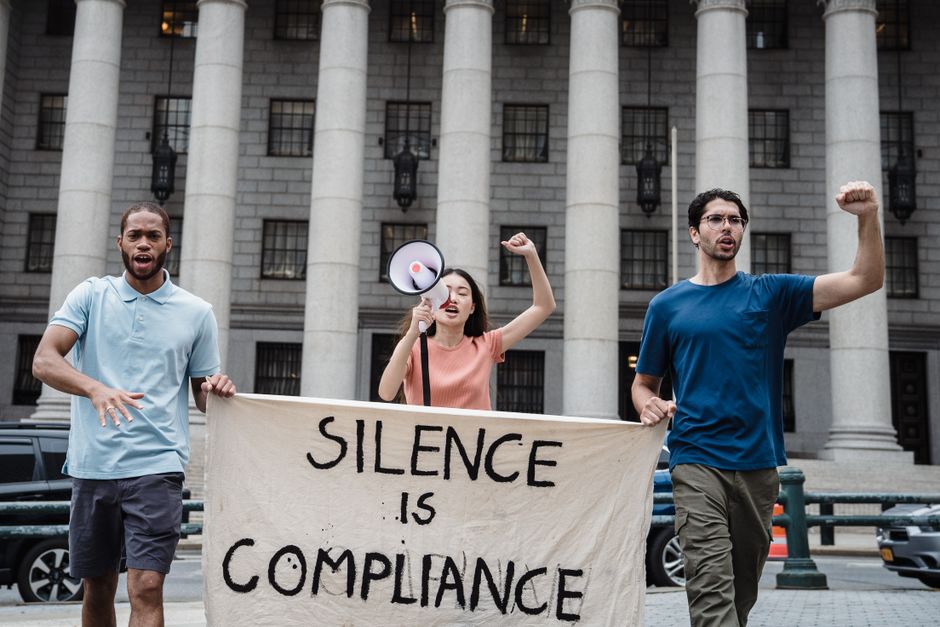
Timing pressure is particularly important where records may be routinely deleted, an employee is being asked to sign a release, or a performance or disciplinary process has begun. Seek advice promptly if you suspect retaliation or face an employment decision connected to reporting. Do not wait for FinCEN to contact you before asking about a separate deadline.
Anonymous versus identified submissions
Some whistleblower processes permit a submission to be made anonymously through an attorney, subject to the applicable requirements. “Anonymous” does not necessarily mean the agency can never learn the source’s identity. It may mean that the person’s identity is submitted confidentially through counsel and is not included in the initial public-facing account. Confirm the current FinCEN process and any identity-verification requirements before relying on anonymity.
An identified submission can make follow-up easier if investigators need clarification or additional records. It may also feel riskier, particularly for an employee who remains in the organisation. Confidentiality protections are not the same as an absolute guarantee that no one will infer a source’s identity. Consider both the investigative value of being contactable and the personal, workplace and legal risks of disclosure.
- Anonymous through counsel: may offer an additional layer of privacy, but requires careful compliance with the current submission rules and may complicate follow-up.
- Identified: may make it easier to answer questions and authenticate information, but does not eliminate retaliation risk.
- Either route: preserve evidence lawfully, avoid taking records you are not entitled to access, and obtain advice before sharing confidential, privileged or personal data.
Evidence and documentation that holds up
Good evidence is specific, traceable and separated from assumptions. Investigators are more likely to understand a report that describes transactions and control failures than one built around labels such as “fraud” or “cover-up”. Preserve original records where lawful, note how you obtained them and do not alter files or metadata. Never access systems or accounts without authorisation.
Useful material can include dated transaction details, alert or case references, relevant policy versions, escalation records, emails or meeting notes, and a timeline showing what happened next. A SAR log or case-management entry may be important context, but a whistleblower should not remove or disclose a SAR itself or other restricted material without legal advice: SAR confidentiality rules can be strict.

What to write down
- Date and time: when the transaction, alert, conversation or decision occurred, including the time zone if relevant.
- Specific reference: account, case, alert or transaction identifiers, using a secure method and minimising unnecessary personal data.
- What you observed: the exact conduct or record, distinguishing what you saw from what another person told you.
- Who was involved: roles and names where appropriate, plus who received an escalation and when.
- What the procedure required: the policy or control in force at the time, not a later version.
- Response and pattern: action taken, explanation given, correction made, and any similar dated instances.
- Source and handling: where each document came from, whether it is an original or copy, and any restrictions on access or disclosure.
- Retaliation concerns: dates of relevant conversations, changes to duties or access, performance actions, and the people involved.
Keep contemporaneous notes factual. For instance: “On 14 March, I escalated alert 4821 to the team lead; the case was closed on 16 March with the note ‘no action’” is more useful than “management deliberately buried the alert”. If you believe the closure was improper, explain why and identify the evidence supporting that concern. This distinction helps separate a human error or reasonable disagreement from possible willful misconduct.
Retaliation risk: plan before you report
Reporting can create workplace risk even where the law protects qualifying whistleblowers. Retaliation may be overt, such as dismissal, or less obvious, such as exclusion from meetings, changed duties or a sudden disciplinary record. Keep a dated record of events, retain relevant employment documents lawfully and avoid using work systems for private legal communications if that could expose them to monitoring.
Do not secretly record conversations or remove customer information without first checking the law and your obligations. Before making a submission, consider speaking with a lawyer experienced in whistleblower and financial-regulatory matters. Ask specifically about the reporting route, identity protection, retaliation deadlines, document handling and what to do if the lawyer-monthly.com employer asks you to sign an agreement.
How to think about the timeline
A FinCEN whistleblower matter is rarely predictable from the outside. The investigation timeline may stretch over years, and award processing can be later still. The best way to protect the usefulness of a report is to be accurate, preserve a dated record, distinguish a mistake from a deliberate pattern, and get advice early on limitations and retaliation risk.
Do not measure progress only by whether someone calls you back. Keep your own secure chronology, follow official instructions, and treat each legal deadline as a separate issue until counsel confirms otherwise. A careful record cannot guarantee an enforcement action or an award, but it can make the facts clearer when timing and credibility matter most.